AI agent phone number
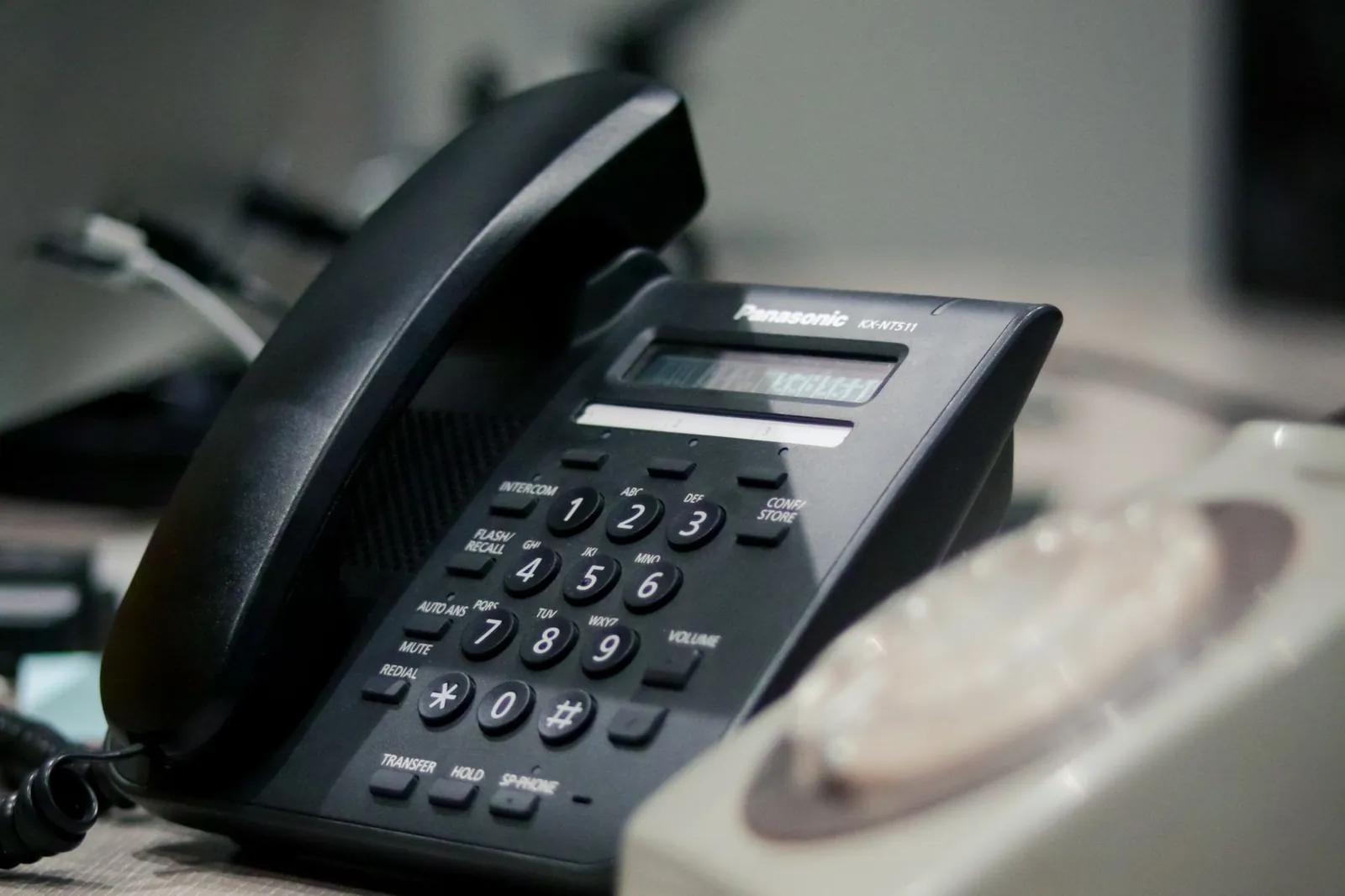
An ai agent phone number is a US local line an agent orders for a business, then hands to RingKit's receptionist. The agent can search by area code and provision the one you pick. It cannot pay, it cannot port a number you already have, and it does not speak to callers. When someone dials the new number, the receptionist answers, says it is an AI, and uses the brief the agent stored.
The number is the business's. The agent is the setup channel. Those are different roles, and mixing them up is how a test line gets published on a real website. Order it, pay for it, and listen to it before any customer is told it exists. The rental is monthly. The minutes are a separate charge. Both wait on a person paying first. Below is what the number is, which area code to ask for, and when it is safe to publish.
What you actually receive
You receive a US local telephone number, rented for $1.99 a month from the business's prepaid wallet. Calls to it reach the receptionist. You can publish it, or you can leave it unpublished and forward a number people already know. RingKit does not port. The old number stays with the carrier that issued it. Forwarding is the carrier's feature, and the steps for pointing an existing line at the RingKit number are in forward your business number.
The North American Numbering Plan, as Wikipedia describes it, is the numbering plan for the United States, Canada, and parts of the Caribbean, among other participants. A numbering plan area is identified by a three-digit area code. The local number under that code is seven more digits. RingKit's search takes that three-digit area code and returns US local numbers. It does not offer a number in every country the plan covers. If your customers dial a 415 or an 805, search that area code. If they dial your cell, and you want them to keep dialing it, do not replace it. Forward it.
The docs' search example returns a number, a region name, and a monthly price in cents. Provisioning orders that number onto the business. Releasing it later stops the rental. Do that when the line was only a test, or when the business closes. Do not leave a published number you no longer answer.
Pick a code you can explain
Search the area code your customers already dial. A plumber who works one metro area should not grab a code from across the country because it looked available. Callers use the code as a hint about where you are. If the business is new and has no printed number yet, match the code to the city on the website. If the website says three cities, pick the one where you can actually show up, and say the others in the brief so the receptionist does not imply you are local to all three.
You can search again. The list is not a reservation. Nothing is yours until provision succeeds, and provision waits on paid credit. If the first results are not numbers you want to publish, search with a different code or a digit pattern the docs' search allows, then stop. Ordering three numbers "to decide later" is three rentals at $1.99 each until you release the ones you will not use.
Write the chosen number down next to the business name before you put it on a page, a truck, or a profile. The agent should show it to a person. A person should read it back. That is a boring check, and it is the one that catches a transposed digit before it is painted on a door.
A person pays before the number exists
Ordering the number needs $2 of paid credit in the wallet. The agent calls the top-up tool and gets a checkout link back. A person opens the link and pays. The smallest top-up is $10, which covers that $2 gate and leaves a balance for minutes. A payment method is required. There is no separate setup fee and no monthly plan around the $1.99.
Until that payment lands, provisioning does not complete. The agent should read the wallet, confirm the paid balance, and only then send the order. Retry the same order with the same idempotency key. A new key is a new attempt, not a replay.
Minutes are separate from the rental. While the receptionist is on a call, the rate is $0.20 a minute. The first 10 seconds are free, then time is billed in 6-second increments. A 2:10 call bills as 2:00. A month where nobody dials the number still costs $1.99 if you keep it. Both numbers are on the pricing page.
The agent must not be told it can charge a card, store a card, or mark the invoice paid. It can only hand over the link and wait.
The agent sets the line up. The receptionist answers it
The tool sequence for the whole business, not just the number, is in MCP phone receptionist. In short: create the business, store the brief, set transfer rules, then fund, then order. The number is late in that list on purpose. A number without a brief is a line that can only take messages and transfer on rules you have not written.
ringkit_search_numbers and ringkit_provision_number are the two calls that deal with the number itself. ringkit_list_numbers shows what the business already holds. ringkit_release_number gives one back. The docs describe the server at https://api.ringkit.com/mcp and the same actions on the REST API at https://api.ringkit.com/v1. There are no SDKs yet.
Before anyone treats the line as live, verify the owner's phone. The verify call reads a 6-digit code. The person who answers says the code back. That is their consent to be called. A test call can then ring that verified number so they hear the receptionist. The agent can start those calls. It cannot supply the code from nothing. The docs also say test calls are capped, so do not loop them.
A typed simulation can run before you have a number. It is billed from the wallet like a call. Use it to hear whether the brief answers a realistic question. Do not skip it and publish the number the same minute you create the business.
What a caller gets, and what you still do
A caller who dials the new number gets the receptionist, not the agent that ordered it. The receptionist uses hours, services, prices, and policies from the brief. It transfers to your team's numbers only when a rule says so. Otherwise it takes a message. You get a summary: who called, what they needed, the next step. Calls are recorded and transcribed for that summary, and a consent notice plays every time.
If the business already has a number on the door, forwarding keeps that number and uses the RingKit number as the place calls land when you do not pick up. If the business is new and has nothing printed, the provisioned number is the one to put on the site, after you have called it yourself.
Do not put the number on a public page until three things are true: the wallet payment has landed, you have heard a test call, and the brief says things you are willing to have repeated. An ai agent phone number is easy to order and just as easy to publish too soon. Order it, pay for it, listen to it, then tell customers it exists.